

How long do LASIK results last?
LASIK eye surgery has become a beacon of hope for millions worldwide seeking freedom from the need to wear glasses or contacts. Its popularity is not just due to the LASIK procedure’s ability to correct vision problems, but also because of the lasting results it can deliver.
One common question people ask is, “How long does laser eye surgery last?” In this post, we’ll explore how long you can expect results to last after LASIK, what factors might affect the outcome, and how to take care of your eyes long term.
The Longevity of LASIK Results
The outcomes of LASIK surgery are intended to be permanent. The procedure corrects vision by reshaping the cornea, thereby correcting refractive errors such as myopia (nearsightedness), hyperopia (farsightedness), and astigmatism. Once the cornea has been reshaped, the changes are meant to last indefinitely. Most patients enjoy the clear vision that LASIK provides without reverting to their previous prescription levels.
But, How Long Does Laser Eye Treatment Last?
While the changes made to the cornea during LASIK are permanent, it’s important to note that the eye can still undergo natural changes over time. These changes can affect vision and may lead to the need for reading glasses or additional vision correction procedures later in life, especially as one approaches the age for presbyopia (the age-related loss of near vision) and cataracts. However, for the vast majority, the clarity of vision achieved after LASIK remains stable for many years.
There is also a small percentage of patients who go through refractive surgery, who have a change in vision in the first six to 12 months, and they develop something called regression. This is where they drift back slightly towards their original focusing error. They become shortsighted again if they had suffered from shortsightedness or they become long-sighted again if they started having long-sightedness.
Those patients need to have some enhancement procedures to fine tune their vision to get them back to the target that they were aiming for with the laser treatment.
When will you start to see LASIK results?
Many people notice clearer vision within just a few hours after surgery. For most patients, vision improves significantly by the next day. However, it is important to remember that everyone heals differently.
Some people experience fluctuations in their vision during the early healing process. Your eyes may feel dry, slightly blurry, or sensitive to light for a short period after surgery. This is a normal part of recovery and usually improves over time.
Your surgeon will provide lubricating and medicated eye drops to support healing and help keep you comfortable. Using your eye drops exactly as directed is one of the most important parts of your recovery.
Although many patients return to work and normal activities quickly, your vision can continue to settle over the following weeks and months as the eyes heal.
Understanding the healing process
The healing process after LASIK is usually fast compared to many other surgical procedures. During the procedure, a thin flap is created on the surface of the cornea. This flap begins healing almost immediately after surgery.
In the first few days, it is common to experience:
- Mild dryness
- Light sensitivity
- Temporary glare or halos at night
- Fluctuating vision
- These symptoms are usually temporary and improve as your eyes heal.
Your surgeon may also recommend avoiding swimming, dusty environments, and eye makeup for a short period after surgery. You should also avoid rubbing your eyes during the early healing phase.
Post operative care matters
Good post operative care can play a major role in achieving the best long-term outcome from LASIK surgery.
Attending follow-up appointments allows your surgeon to monitor healing and identify any concerns early. During these visits, your vision and eye health will be checked carefully.
Patients are also advised to continue using prescribed eye drops as directed. Dryness is one of the most common temporary side effects after LASIK, and lubricating drops can help improve comfort and support the surface of the eye while it heals.
Protecting your eyes from injury is also important, particularly in the first few weeks after surgery.
Can lifestyle affect how long LASIK lasts?
Lifestyle factors can influence your long-term eye health after LASIK. For example, people involved in high-impact activities or contact sports should speak with their surgeon about the safest timing for returning to these activities.
While LASIK results are designed to last, your eyes still age naturally. Exposure to UV light, smoking, poor general health, and unmanaged eye conditions can all affect vision over time.
Maintaining a healthy lifestyle and protecting your eyes can help support long-term visual quality.
Natural age changes still occur
Even though LASIK permanently reshapes the cornea, it cannot stop the natural age changes that happen inside the eye later in life.
Many people eventually develop presbyopia as part of the normal ageing process. This usually happens in the 40s and affects near vision, often leading to the need for reading glasses.
Later in life, some people may also develop cataracts. Cataracts are caused by the eye’s natural lens becoming cloudy over time. These changes are unrelated to LASIK itself and occur as part of the normal ageing process.
This means that while LASIK can reduce or remove the need for glasses for many years, some people may still require visual aids or additional procedures later in life because of natural age-related changes.
Enhancements and Follow-Up Care
For those who experience changes in their vision after LASIK, enhancement procedures are an option. These touch-up treatments can address any minor shifts in vision that occur over time, ensuring patients continue to enjoy clear vision. Regular eye exams are crucial in monitoring eye health and addressing any changes as early as possible.
How to Ensure the Best Long-Term Outcomes
To maximise the longevity of your LASIK results, consider the following tips:
- Regular Eye Exams: Routine check-ups help monitor eye health and vision changes, allowing for timely interventions if necessary.
- Eye Protection: Wearing sunglasses to protect against UV rays and safety glasses during sports or activities that could lead to eye injuries helps preserve vision.
- Manage Eye Health: Addressing eye health issues like dry eye promptly ensures ongoing comfort and vision clarity.
- Healthy Lifestyle: A healthy lifestyle, including a balanced diet and avoiding smoking, supports overall eye health.
In summary, LASIK offers a long-term solution for those seeking to correct their vision. While the procedure itself makes permanent changes to the cornea, it’s important to acknowledge that natural changes in the eye can still occur over time. With proper care and regular eye exams, the vast majority of LASIK patients can expect to enjoy their new, clear vision for many years to come.
Are you considering LASIK eye surgery and wondering, “How long does laser eye treatment last?” Book online for a free laser vision assessment with our clinic. Our team of eye care professionals will evaluate your vision, discuss the potential longevity of LASIK results specific to your eyes, and address any other questions you may have. Take the first step towards long-lasting clear vision by booking your free assessment today. Embrace the opportunity to see the world more clearly for years to come.
If you would like to learn more about laser eye surgery in Brisbane and understand which treatment is going to be most appropriate for you to free you from glasses and contact lenses, then please go to our website and book online for a free laser vision assessment.

Found this post useful? Please share!
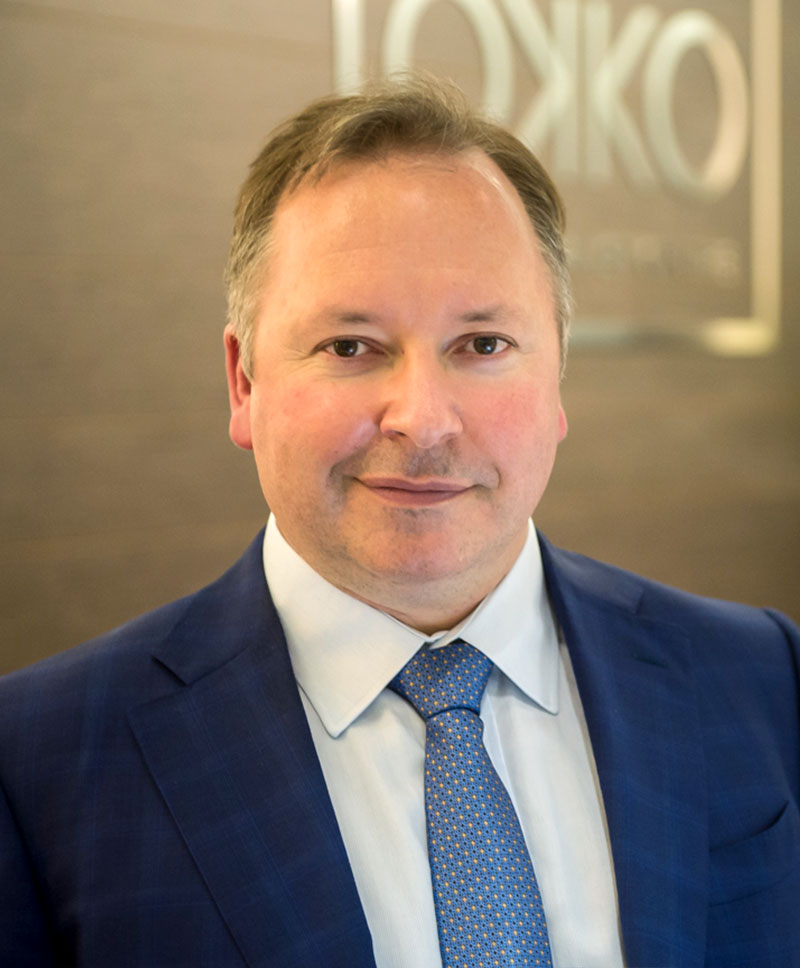
Hi, I’m Dr. Matthew Russell, a laser and cataract surgeon
HI I’M DR. MATTHEW RUSSELL A LASER EYE AND CATARACT SURGEON
With over 15 years of experience and over 20,000 procedures performed, I enjoy the privilege of helping patients of all ages reclaim clear vision or preserve it for as long as possible.
Vision correction and high-precision cataract surgery hinge on the expertise and skill set of the provider who also has access to the most precise tools for the job. Ophthalmic surgeons like me know how to make treatment safe, comfortable and positive for the patient. They know how to minimise the risk of complications and maximise successful outcomes.
I have a passion for helping my patients enjoy the clear, high-definition vision they need to live rich and active lives. Now, I have hand-picked a team of professionals that share my passion and commitment to exceptional care.
Dr. Matthew Russell
MBChB, FRANZCO