

When Is the Best Time to Have Laser Eye Surgery?
The best time to have laser eye surgery is when your glasses or contact lenses are starting to interfere with your daily life and your prescription has been stable for at least a year. Many people choose to explore surgery when they want more visual freedom, have time in their schedule for recovery, or feel ready to invest in long-term vision correction.
There are many reasons people think about moving away from glasses and contact lenses. Some are practical. Others are personal.
Glasses fog up and get in the way
If you wear glasses, you may know how annoying fogging can be. Whether it’s a hot drink, steam from the shower, or a change in temperature, lenses fog up and need constant cleaning. For people with active jobs or lifestyles, glasses can be a constant frustration.
Contact lenses aren’t always comfortable
Contact lens wearers may notice dry eyes, discomfort, or vision that isn’t quite sharp enough, especially after long hours on a screen or in dry environments like air-conditioned rooms. If your contact lenses start feeling uncomfortable, it may be a sign to look into other options.
Life is about more than glasses
Life gets busy, and it’s easy to put your own health on hold. But at some point, many people stop and re-evaluate what’s working and what’s not.
Clear vision can make everyday tasks easier. Reading, driving, exercising, working, and socialising all depend on how clearly you see. When your vision isn’t at its best, these small frustrations build up.
Laser eye surgery is a way of treating common vision problems (called refractive errors) at the source. These include short-sightedness, long-sightedness, and astigmatism. Rather than just managing these problems with glasses or contacts, laser eye surgery reshapes the surface of the eye to help it focus light more accurately.
The best time is when you’re ready
Laser vision correction can be a significant life decision, and timing matters. You may want to consider it:
- When your prescription is stable
- When you’re not planning pregnancy or breastfeeding
- When your eyes feel generally healthy
- When you’re ready to reduce your dependence on glasses or contacts
It’s also worth thinking about your schedule. Taking time off work or daily routines to rest and recover (usually just a few days for most procedures) may be easier during quieter periods of the year.
What about dry eyes or other concerns?
It’s natural to have concerns about your eye health. Some people worry about dry eyes or conditions that may affect healing. That’s why every person needs to have a detailed eye assessment before surgery.
Your tear film, corneal shape, eye pressure, and overall eye health will all be checked as part of your consultation. Laser surgery is only recommended if the procedure is likely to be safe and effective. If it’s not right for you, other vision correction options, like implantable lenses or refractive lens exchange, may be discussed.
If you are curious whether laser eye surgery could be an option for you, a simple online suitability self-test can help you understand whether it may be worth booking a full assessment.
Found this post useful? Please share!

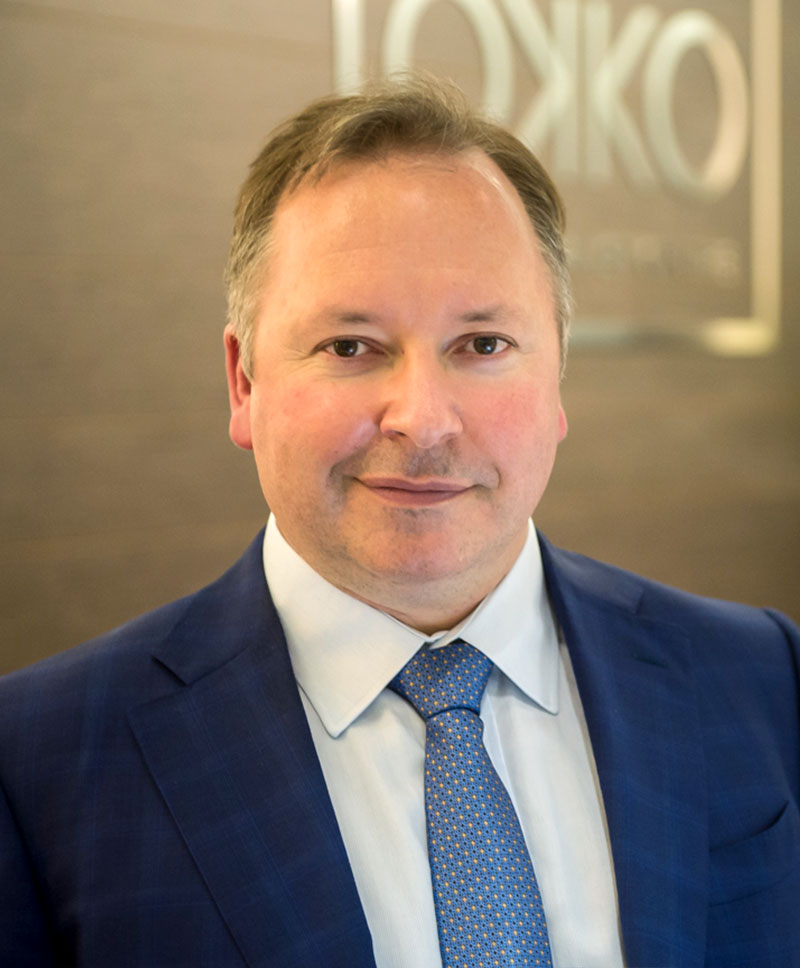
Hi, I’m Dr. Matthew Russell, a laser and cataract surgeon
HI I’M DR. MATTHEW RUSSELL A LASER EYE AND CATARACT SURGEON
With over 15 years of experience and over 20,000 procedures performed, I enjoy the privilege of helping patients of all ages reclaim clear vision or preserve it for as long as possible.
Vision correction and high-precision cataract surgery hinge on the expertise and skill set of the provider who also has access to the most precise tools for the job. Ophthalmic surgeons like me know how to make treatment safe, comfortable and positive for the patient. They know how to minimise the risk of complications and maximise successful outcomes.
I have a passion for helping my patients enjoy the clear, high-definition vision they need to live rich and active lives. Now, I have hand-picked a team of professionals that share my passion and commitment to exceptional care.
Dr. Matthew Russell
MBChB, FRANZCO