

Can I have laser eye surgery if I have astigmatism?
If you’ve ever asked yourself, “Can I get laser eye surgery with astigmatism?”, the answer is very often yes.
Astigmatism is one of the most common vision problems, and modern refractive surgery can successfully treat it in the vast majority of patients. In many cases, laser eye procedures can also correct short sightedness, long sightedness, and other refractive errors at the same time, helping reduce or even eliminate the need for glasses or a contact lens.
Understanding astigmatism
Astigmatism occurs when the cornea or natural lens of the eye is unevenly shaped. Instead of being perfectly round, the eye becomes more oval-shaped, causing light to focus unevenly on the retina.
This often leads to:
- Blurred or distorted vision
- Eye strain
- Headaches
- Difficulty seeing clearly at night
- Trouble focusing at different distances
Many people discover they have astigmatism during a routine eye examination, and fortunately, it is highly treatable with modern laser technology.
Can laser eye surgery fix astigmatism?
When people say, “I have too much astigmatism to do laser eye surgery,” 99.9% of the time, they are wrong. We can typically treat up to four units of astigmatism with a laser vision correction procedure like LASIK. In some cases, newer lasers can even correct up to five units. Your eye surgeon will assess your individual case to determine what’s possible based on your unique eye measurements and the degree of astigmatism present.
If you’ve got more than five units of astigmatism, you’re quite unique. It’s incredibly rare, but we have excellent laser eye surgery alternatives that can help. In cases where laser eye surgery may not be the best option due to high astigmatism or irregular corneas, lens-based procedures or other surgical solutions may be considered.
Our goal is to reduce your need for glasses and contact lenses in a safe and effective way. Every treatment plan is designed around your eye health, vision goals, and lifestyle.
What does laser eye surgery involve?
Laser eye surgery reshapes the corneal tissue- the clear, dome-shaped front layer of the eye that helps focus light. During the procedure:
- We apply numbing eye drops to keep you comfortable.
- In LASIK, a flap is created in the cornea. In PRK, the surface layer is gently removed.
- A laser is used to reshape the cornea based on your individual prescription.
This use of a laser to reshape the cornea allows light to focus more precisely on the retina, improving vision at all distances and reducing or eliminating your need for glasses.
LASIK vs PRK for Astigmatism
At VSON, we offer several forms of laser vision correction, including LASIK and PRK procedures.
LASIK Surgery
LASIK surgery is one of the most common and well-known treatments for astigmatism. During LASIK, a thin flap is created in the cornea before the laser reshapes the underlying tissue.
LASIK is popular because it offers:
- Fast visual recovery
- Minimal discomfort
- Excellent long-term results
- Shorter recovery time compared to surface treatments
PRK (Photorefractive Keratectomy)
PRK is another highly effective option for astigmatism.
Unlike LASIK, PRK does not involve creating a flap. Instead, the surface layer of the cornea is gently removed before treatment. This can make PRK a better choice for patients with thinner corneas, certain lifestyles, or those concerned about flap-related complications.
While recovery takes slightly longer, PRK delivers excellent long term outcomes.
What about SMILE?
Another excellent option is Small Incision Lenticule Extraction (SMILE) also known as SmartSight. This procedure is minimally invasive and doesn’t involve creating a flap, which may make it preferable for some patients. SmartSight can treat myopia and astigmatism in selected patients and has a fast recovery time. It’s also associated with fewer issues like dry eyes in recovery compared to LASIK.
SMILE/SmartSight uses a femtosecond laser to create a small disc of tissue (called a lenticule) inside the cornea. That lenticule is then removed through a tiny incision. This reshapes the cornea and improves how light is focused onto the retina. It’s another option we’ll consider depending on your degree of astigmatism and overall eye anatomy.
Who will perform the procedure?
At VSON, your care is led by an experienced eye surgeon who will personally assess your vision, review your test results, and discuss the best options for your eyes. They’ll help you understand each procedure, its benefits and limitations, and what to expect from the results. You’ll never feel rushed or pressured into making a decision.
We will thoroughly examine the health of your eyes
Before recommending any procedure, your eye surgeon will conduct a comprehensive assessment to make sure your eyes are healthy and suitable for surgery.
If you have dry eyes, this may impact your ability to undergo refractive surgery. We take this into account to ensure you get the best possible outcome and avoid complications. Measurements like corneal thickness, shape, and the degree of astigmatism will help guide the most appropriate procedure.
We use advanced diagnostic tools to map the surface of your eyes and measure how light is focused. This helps us decide whether LASIK, PRK, SmartSight, or another solution is best suited for you.
Your eye surgeon will walk you through each option and explain the benefits and risks in simple terms. You’ll also have the opportunity to ask questions and discuss your goals, whether that’s freedom from glasses for sport, work, or everyday convenience.
Book Your Free Laser Vision Assessment
If you’re tired of relying on glasses or a contact lens, laser eye surgery could help you achieve clearer vision and greater freedom.
The best way to find out if you’re suitable is to book a free laser vision assessment with an experienced eye surgeon.
Your consultation will include a detailed eye examination, advanced scans, and expert advice on the best treatment options for your eyes.
To learn more and to find out which vision correction option is right for you, please book online for a free laser vision assessment on our website today.
Found this post useful? Please share!

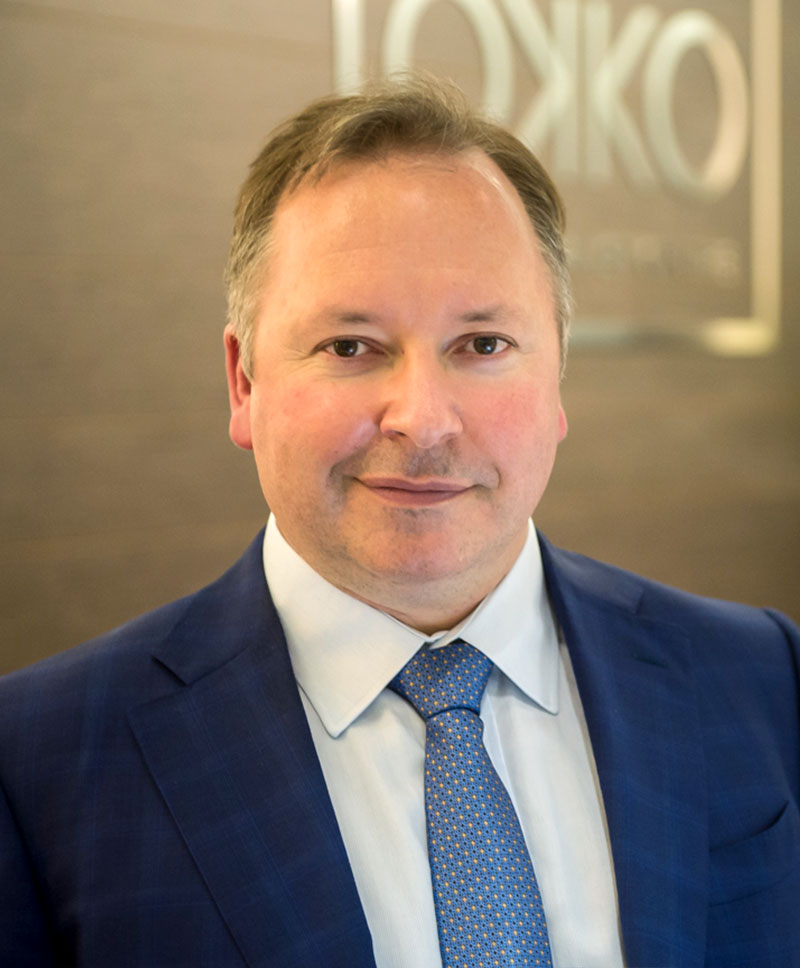
Hi, I’m Dr. Matthew Russell, a laser and cataract surgeon
HI I’M DR. MATTHEW RUSSELL A LASER EYE AND CATARACT SURGEON
With over 15 years of experience and over 20,000 procedures performed, I enjoy the privilege of helping patients of all ages reclaim clear vision or preserve it for as long as possible.
Vision correction and high-precision cataract surgery hinge on the expertise and skill set of the provider who also has access to the most precise tools for the job. Ophthalmic surgeons like me know how to make treatment safe, comfortable and positive for the patient. They know how to minimise the risk of complications and maximise successful outcomes.
I have a passion for helping my patients enjoy the clear, high-definition vision they need to live rich and active lives. Now, I have hand-picked a team of professionals that share my passion and commitment to exceptional care.
Dr. Matthew Russell
MBChB, FRANZCO