

How does touch-free laser eye surgery work?
If you’ve ever wished you could see clearly without glasses or contact lenses, you may have heard about laser eye surgery. But did you know that some clinics now offer a touch-free version?
Touch-free laser eye surgery, also called TransPRK (short for transepithelial photorefractive keratectomy), is one of the latest advances in laser vision correction. It’s designed to be gentle, safe, and suitable for people who may not be ideal candidates for other types of surgery.
Let’s explore how this technology works and why many patients are choosing it as a step toward clearer vision.
What is touch-free laser eye surgery?
Touch-free laser eye surgery is a method of correcting refractive errors , like short-sightedness (myopia) and astigmatism, without using any surgical tools to touch the eye. Instead of creating a flap in the cornea (as with LASIK), TransPRK uses a laser to gently remove the outer layer of the eye (the epithelium) and reshape the underlying cornea in a single, continuous step.
This approach removes the need for blades or suction devices. The treatment is performed entirely by a laser and that’s why it’s called touch-free.
What happens during the procedure?
Before surgery, you’ll have a detailed eye assessment to make sure you’re suitable for the treatment. If you’re a good candidate, here’s what to expect on the day:
- Numbing drops are applied. These anaesthetic eye drops make the surface of your eye completely numb, so you won’t feel pain during the procedure.
- You’ll lie down comfortably under the laser. A small instrument may gently hold your eyelids open.
- The laser treatment begins. The outer layer of the cornea is removed, and then the underlying surface is reshaped, all without any physical contact.
- You’ll rest briefly after the procedure. A soft, bandage contact lens is placed on your eye to protect it while it heals.
The entire procedure typically takes only a few minutes per eye.
How does recovery work?
After surgery, you may feel some mild discomfort for the first few days. This is normal. The bandage lens helps protect your eye while the surface heals. Most patients notice improvements in vision within the first week, although it may take a few weeks to reach your final result.
Your clinic will give you eye drops to help reduce inflammation, prevent infection, and keep your eyes lubricated as they heal.
Follow-up visits are scheduled to monitor your progress and make sure everything is healing as expected.
Who is this surgery suitable for?
Touch-free laser eye surgery may be recommended for people who:
- Have thinner corneas and are not suitable for LASIK
- Prefer a no-flap, no-touch approach
- Have an active lifestyle or are involved in contact sports
- Are concerned about flap-related complications
- Are seeking a gentle, minimally invasive treatment.
It’s also a good option for patients who are prone to dry eye, as the nerves in the cornea are preserved more effectively compared to some other procedures.
However, not everyone is suitable. Your eye health, corneal shape, age, and prescription will all be considered during your suitability assessment.
Is touch-free laser eye surgery safe?
Yes, when performed by an experienced surgeon, touch-free laser eye surgery has an excellent safety profile. As with any surgical procedure, there are risks, such as glare, halos, delayed healing, or infection, but serious complications are rare.
What are the potential benefits of touch-free surgery?
- No blades or incisions: The entire procedure is done with a laser
- No flap: This reduces the risk of flap complications and makes it suitable for people with thin or irregular corneas
- Gentle on the eye: It preserves more of the eye’s natural structure
- Good for active people: Ideal for those who play contact sports or work in environments where eye trauma could be a risk
- Fewer dry eye issues: By avoiding flap creation, fewer nerves in the cornea are affected, helping to maintain better tear production.
What are the limitations?
- Longer recovery time: It may take a few days to a week before your vision becomes clear, and slightly longer to fully stabilise.
- Temporary discomfort: You may feel mild discomfort like grittiness or tearing during the healing phase.
- Not suitable for all prescriptions: While it corrects a wide range of refractive errors, some higher prescriptions may need a different procedure.
What’s the next step?
If you’re considering laser eye surgery and want a no-touch, all-laser option, the best place to start is with a suitability self-test.
This free online tool will help you understand if touch-free laser surgery might be a good match for your vision, lifestyle, and goals. If it looks promising, you’ll be invited to a full assessment where we’ll assess your eyes and walk you through all your treatment options.
Your journey starts with knowledge, take the self-test and see where it leads.
ARE YOU SUITABLE?
Check your laser eye surgery suitability online with our free LASIK self-test
OUR MOST POPULAR PROCEDURES

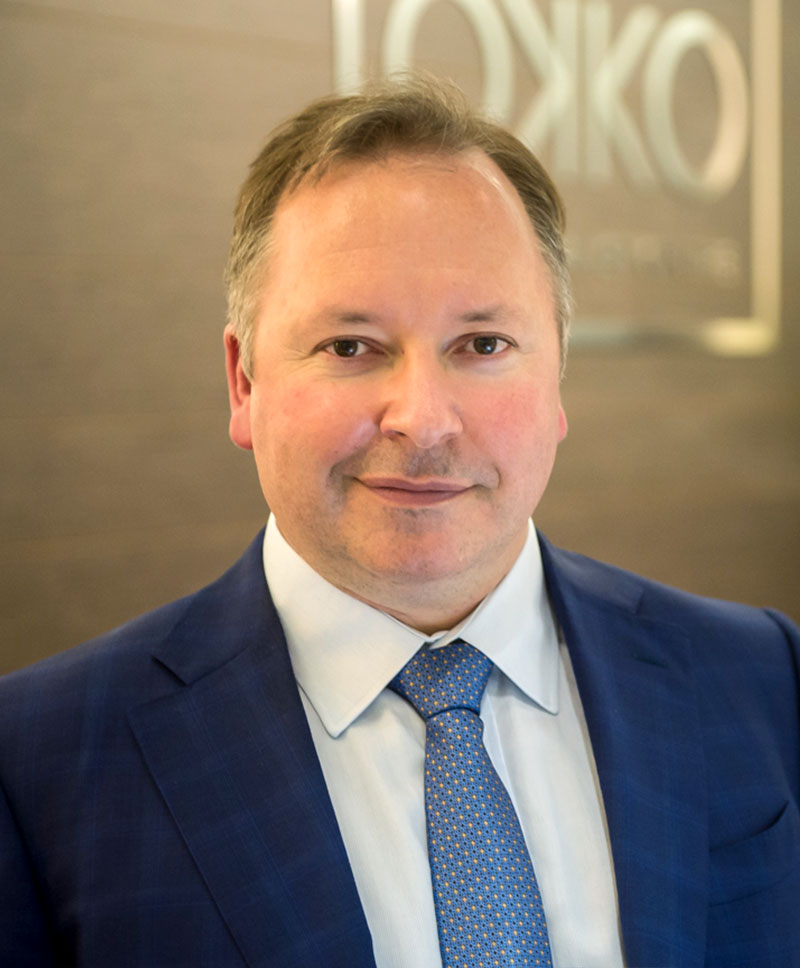
Hi, I’m Dr. Matthew Russell, a laser and cataract surgeon
HI I’M DR. MATTHEW RUSSELL A LASER EYE AND CATARACT SURGEON
With over 15 years of experience and over 20,000 procedures performed, I enjoy the privilege of helping patients of all ages reclaim clear vision or preserve it for as long as possible.
Vision correction and high-precision cataract surgery hinge on the expertise and skill set of the provider who also has access to the most precise tools for the job. Ophthalmic surgeons like me know how to make treatment safe, comfortable and positive for the patient. They know how to minimise the risk of complications and maximise successful outcomes.
I have a passion for helping my patients enjoy the clear, high-definition vision they need to live rich and active lives. Now, I have hand-picked a team of professionals that share my passion and commitment to exceptional care.
Dr. Matthew Russell
MBChB, FRANZCO