

How dangerous is LASIK eye surgery?
Hi, it’s Matt Russell from VSON Laser Vision Specialists. When I tell people I’m a LASIK surgeon, some of them ask me: “How dangerous is LASIK eye surgery?”
It’s not dangerous at all if you choose a surgeon with the right skills and experience and if you are a good candidate.
What is LASIK?
LASIK (laser-assisted in situ keratomileusis) is one of the most well-known types of laser eye surgery. It is designed to correct refractive errors like nearsightedness, farsightedness, and astigmatism. The procedure works by reshaping the cornea with a laser to improve the way light is focused onto the retina.
LASIK eye surgery is one of the most commonly performed elective procedures for people who want to reduce their dependence on glasses or contact lenses. It has a long-standing history of safety and effectiveness when performed on suitable candidates.
LASIK patient satisfaction is high (95%) which compares exceedingly favourably when compared to other elective procedures. Literature review data on quality of life and patient satisfaction show similar outcomes, even as far back as in 2009, when the procedures and diagnostic approaches were not as refined as today.
Complications that result in a loss of vision are very rare. However, as with any surgical procedure, there are potential risks involved.
Common side effects and visual symptoms
Some of the more common short-term side effects include dry eyes, glare, halos, and other temporary visual symptoms. These usually resolve within weeks or months. Most people do not experience long-term problems from these effects.
Dry eye is one of the more frequently reported side effects after LASIK. This can happen because the procedure temporarily affects the nerves responsible for tear production. Your surgeon may recommend eye drops to manage this during recovery.
What are the potential risks?
The potential risks of LASIK surgery include:
- Risk of infection (rare, but possible with any eye surgery)
- Overcorrection or undercorrection (may require enhancement)
- Loss of vision (extremely rare)
- Double vision or other visual disturbances (usually temporary)
Understanding these potential risks is part of the consultation process. Every patient is different, and that’s why personalised assessments are important.
Who is a good candidate?
Not everyone is suitable for LASIK. Your individual eye health plays a key role in determining whether this procedure is right for you. Factors such as the shape and thickness of your cornea, the degree of your refractive error, and your overall eye health all contribute to your suitability.
People with certain health conditions, such as autoimmune disorders or uncontrolled diabetes, may face higher risks or unpredictable outcomes. If you’ve had previous eye surgery or eye injuries, this may also impact your suitability.
Your next step
The best way to know if LASIK or any refractive surgery is right for you is to attend a thorough eye assessment. This allows your surgeon to check your vision, eye health, and refractive error.
During the consultation, you’ll have the chance to:
- Ask questions about the procedure
- Discuss any concerns about potential risks or recovery
- Learn more about alternative treatment options if LASIK isn’t right for you
LASIK has helped many people who were previously dependent on glasses or contacts enjoy greater freedom in their daily lives. But it’s not a one-size-fits-all procedure. That’s why the initial assessment is such a vital step in your decision-making process.
To learn more about LASIK and which laser eye surgery treatment is best for you to free yourself from the hassle of glasses and contact lenses, please book online for a free laser vision assessment on our website today.
Found this post useful? Please share!

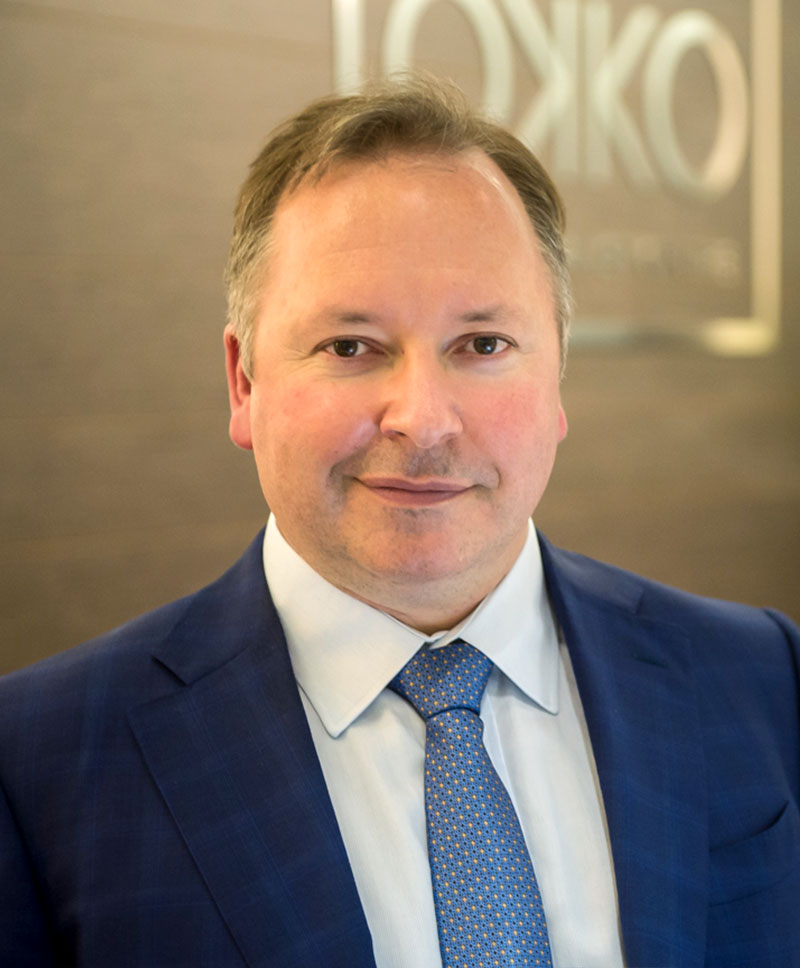
Hi, I’m Dr. Matthew Russell, a laser and cataract surgeon
HI I’M DR. MATTHEW RUSSELL A LASER EYE AND CATARACT SURGEON
With over 15 years of experience and over 20,000 procedures performed, I enjoy the privilege of helping patients of all ages reclaim clear vision or preserve it for as long as possible.
Vision correction and high-precision cataract surgery hinge on the expertise and skill set of the provider who also has access to the most precise tools for the job. Ophthalmic surgeons like me know how to make treatment safe, comfortable and positive for the patient. They know how to minimise the risk of complications and maximise successful outcomes.
I have a passion for helping my patients enjoy the clear, high-definition vision they need to live rich and active lives. Now, I have hand-picked a team of professionals that share my passion and commitment to exceptional care.
Dr. Matthew Russell
MBChB, FRANZCO