

Top 5 LASIK questions people ask
Understanding LASIK eye surgery
LASIK is one of the most well-known types of laser vision correction. It is designed to help reduce the need for glasses or contact lenses by reshaping the cornea so light focuses more clearly on the retina.
Many people who are thinking about LASIK have questions before booking a consultation. It is important to understand how the procedure works, what recovery may involve, and whether treatment may be suitable for your eyes.
At VSON Laser Vision Specialists in Brisbane, patients undergo detailed eye testing and assessments before any treatment recommendations are made. This helps the clinical team better understand each patient’s vision, eye health, and lifestyle needs.
What is the recovery time?
Recovery is one of the first things people ask about when considering LASIK.
Many patients notice changes in their vision within the first day or two after surgery. Some people return to work and daily activities fairly quickly, while others may need more time for their vision to settle.1https://americanrefractivesurgerycouncil.org/what-to-expect-with-lasik-recovery/
Recovery experiences can vary between individuals.
What to expect after surgery
It is common to experience mild discomfort, watery eyes, blurry vision, or light sensitivity during the early recovery period. Some patients also notice dry eye symptoms while healing.2https://www.fda.gov/medical-devices/lasik/what-should-i-expect-during-and-after-surgery
Eye drops are usually prescribed after surgery to support comfort and healing.3https://www.fda.gov/medical-devices/lasik/what-should-i-expect-during-and-after-surgery
Patients are often advised to avoid rubbing their eyes and to attend all follow-up appointments so the surgeon can monitor recovery.4https://www.fda.gov/medical-devices/lasik/what-should-i-expect-during-and-after-surgery
When vision settles
For some people, vision continues to improve over several weeks. Healing times can differ depending on the patient and the procedure performed.
Your surgeon will explain what recovery may involve and when you may be able to return to activities such as exercise, swimming, driving, and work.5https://www.fda.gov/medical-devices/lasik/what-should-i-expect-during-and-after-surgery
Is LASIK permanent?
Another common question is whether LASIK lasts forever.
LASIK changes the shape of the cornea, and those changes are generally long lasting. However, the eyes can still change naturally over time.6https://pubmed.ncbi.nlm.nih.gov/34241701/
Natural age-related changes
As people age, they may still develop normal vision changes such as presbyopia. Presbyopia affects near vision and is a common part of ageing.7https://pubmed.ncbi.nlm.nih.gov/34241701/
This means some people may still need reading glasses later in life even after laser eye surgery.
Other eye conditions can also develop with age, including cataracts.
Results can vary
While many people experience reduced dependence on glasses or contact lenses after LASIK, outcomes vary between individuals.8https://pubmed.ncbi.nlm.nih.gov/34241701/
No procedure can guarantee perfect vision or complete freedom from glasses.9https://pubmed.ncbi.nlm.nih.gov/34241701/
A detailed assessment helps determine whether LASIK may be suitable and what results may reasonably be expected based on the patient’s eyes and prescription.
LASIK vs PRK
Many people ask about the difference between LASIK and PRK.
Both procedures are types of laser vision correction, but they are performed differently.
How LASIK works
During LASIK, a thin flap is created on the surface of the cornea. The laser then reshapes the tissue underneath before the flap is repositioned.
LASIK often has a faster early recovery time compared with PRK.
How PRK works
PRK does not involve creating a flap. Instead, the surface layer of the cornea is removed before the laser reshapes the eye.
The surface layer then heals naturally over time.
Recovery after PRK may take longer, and patients may experience more discomfort during the early healing period.
Which option is better?
There is no single procedure that suits everyone.
Some patients may be more suitable for LASIK, while others may be better suited to PRK, SMILE, SmartSight, implantable lenses, or other vision correction options.10 https://www.healthline.com/health/eye-health/prk-vs-lasik#efficacy
Factors such as corneal thickness, eye shape, lifestyle, and prescription all play a role in determining suitability.11 https://www.healthline.com/health/eye-health/prk-vs-lasik#efficacy
At VSON Laser Vision Specialists, advanced eye mapping and diagnostic testing are used to help guide treatment recommendations.
Is LASIK affordable?
Cost is another common question people ask about laser eye surgery.
The price of LASIK can vary depending on the clinic, technology used, and the patient’s individual treatment needs.
For some people, LASIK may feel like a large upfront cost. However, others compare it with the long-term cost of glasses, prescription sunglasses, contact lenses, and lens solutions over many years.12https://pr.murrayjournal.com/article/New-Study-Explores-the-Connection-Between-LASIK-Surgery-and-Brain-Activity?storyId=67636893655cd50008f3703d
Financing options
Some clinics offer payment plans or financing options to help make treatment more manageable.
At VSON Laser Vision Specialists we offer 24 monthly interest-free financing options for eligible patients, allowing some people to spread the cost of treatment over time.
During a consultation, the team can discuss pricing, financing availability, and the different treatment options that may be suitable.
Focusing on value and care
When considering affordability, it is also important to look at the quality of care, technology, and support provided by the clinic.
Detailed assessments, experienced surgeons, advanced diagnostics, and follow-up care are all important parts of the laser eye surgery journey.
Is LASIK safe?
Safety is one of the most important questions patients ask before surgery.
LASIK has been performed for many years and may be suitable for some people. However, like all surgery, it carries risks and possible complications.13 https://www.lasereyesurgeryhub.co.uk/laser-eye-surgery/safety-2/
Possible risks and side effects
Possible side effects may include dry eyes, glare, halos, blurry vision, light sensitivity, or changes in night vision.14 https://www.lasereyesurgeryhub.co.uk/laser-eye-surgery/safety-2/
Some symptoms may improve over time, while others may continue longer term.15 https://www.lasereyesurgeryhub.co.uk/laser-eye-surgery/safety-2/
That is why it is important for patients to understand both the possible benefits and risks before making a decision.
Why detailed testing matters
Not everyone is suitable for LASIK. A detailed assessment helps identify factors that may affect safety or outcomes.
At VSON Laser Vision Specialists in Brisbane, advanced diagnostic testing and corneal mapping are used before treatment recommendations are made.
These tests help assess corneal thickness, eye health, tear quality, and prescription stability.
If LASIK may not be suitable, the surgeon may discuss other vision correction options.
Taking the next step
If you are thinking about LASIK, asking questions and learning more about the procedure is an important first step.
Understanding recovery, safety, treatment options, and long-term expectations can help you make a more informed decision about your eye care.
At VSON Laser Vision Specialists in Brisbane, patients undergo detailed assessments and advanced eye testing before treatment recommendations are made.
Take the suitability self test to explore whether laser vision correction may be right for you and learn more about your options.
Found this post useful? Please share!

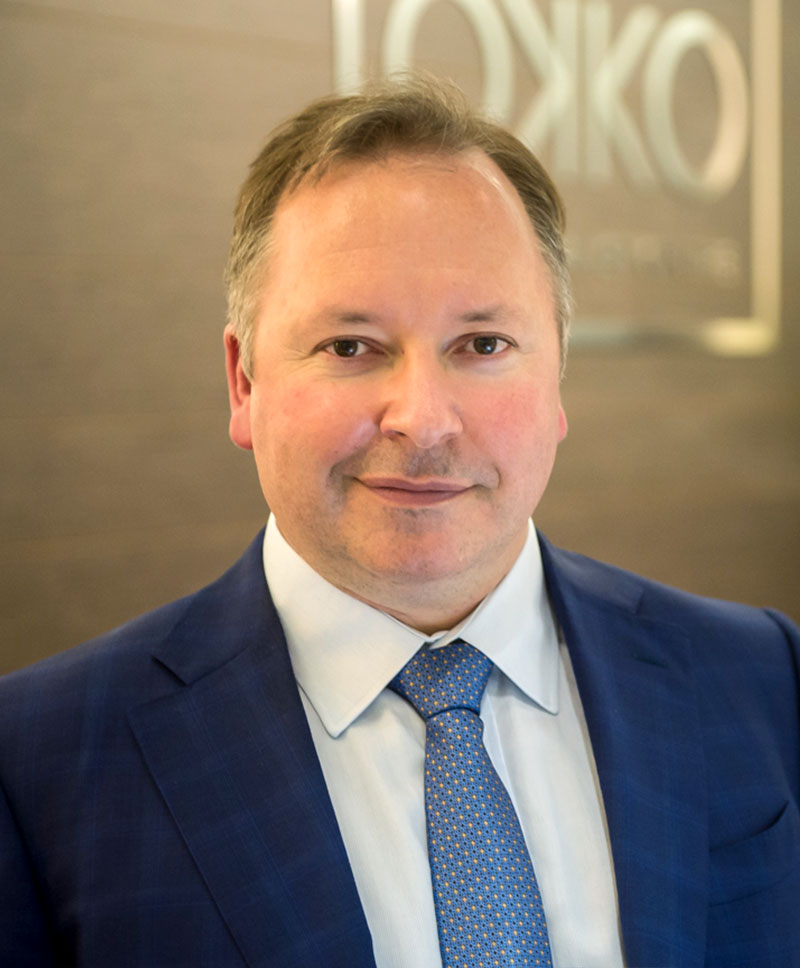
Hi, I’m Dr. Matthew Russell, a laser and cataract surgeon
HI I’M DR. MATTHEW RUSSELL A LASER EYE AND CATARACT SURGEON
With over 15 years of experience and over 20,000 procedures performed, I enjoy the privilege of helping patients of all ages reclaim clear vision or preserve it for as long as possible.
Vision correction and high-precision cataract surgery hinge on the expertise and skill set of the provider who also has access to the most precise tools for the job. Ophthalmic surgeons like me know how to make treatment safe, comfortable and positive for the patient. They know how to minimise the risk of complications and maximise successful outcomes.
I have a passion for helping my patients enjoy the clear, high-definition vision they need to live rich and active lives. Now, I have hand-picked a team of professionals that share my passion and commitment to exceptional care.
Dr. Matthew Russell
MBChB, FRANZCO