
What is LASIK eye surgery?
Dr. Matthew Russell explains the vision correction treatment LASIK laser eye surgery
LASIK is the most commonly performed laser vision correction surgery used to correct people’s vision who suffer from short-sightedness, long-sightedness, astigmatism, or loss of near vision due to the ageing process called presbyopia. It has helped millions of people around the world reduce or completely eliminate their need for glasses or contacts.
Understanding the LASIK procedure
LASIK stands for Laser-Assisted In Situ Keratomileusis. It’s a type of refractive eye surgery that helps correct vision by permanently changing the shape of the cornea—the clear front part of the eye. When light doesn’t focus properly on the retina due to a misshaped cornea, it causes refractive errors like myopia, hyperopia, and astigmatism. The LASIK procedure reshapes the cornea so that light is focused correctly, giving you clear vision.
How surgery works
The LASIK procedure involves two lasers. The first laser is a femtosecond laser used to create an ultra-thin flap on the cornea, usually about 100 microns thick. This flap is gently lifted, allowing access to the underlying layers of the cornea.
Next, an excimer laser is used to reshape the cornea based on the individual’s prescription. This laser removes microscopic amounts of corneal tissue to improve the way light rays are focused onto the retina. Once reshaping is complete, the flap is repositioned without stitches. It adheres naturally and begins healing immediately.
The entire surgery typically takes about 15 minutes for both eyes, and the laser part itself is only a few seconds per eye.

What to expect from recovery
Immediately after the surgery, it’s normal to feel mild discomfort, burning, or watering of the eyes. Some patients describe it as a gritty sensation, similar to having sand in their eyes. Light sensitivity is also common. These side effects usually resolve within a few hours.
We advise wearing non-prescription sunglasses after surgery and having someone available to drive you home. You should avoid rubbing your eyes and follow the eye surgeon’s post-op instructions carefully, including using prescribed eye drops to prevent infection and inflammation.
The next day, most patients experience significantly improved vision, often reaching 20/20 or better. Many return to work and normal activities within 24 hours. Full recovery and stabilisation of vision can take a few weeks, depending on your individual healing process.
Common side effects
While LASIK is a safe and effective surgery, it’s important to understand the possible side effects:
- Dry eyes: This is the most common side effect. It usually improves within a few weeks to months. Eye drops and other treatments can help ease dryness.
- Glare or halos: Some patients report seeing halos around lights at night. These typically fade as your eyes adjust.
- Fluctuating vision: Your vision may go in and out of focus during the early healing phase.
- Discomfort: Most patients experience only mild discomfort, which can be managed with rest and medication.
In very rare cases, more serious complications such as infection, under- or over-correction, or issues with the corneal flap can occur. Your eye surgeon will assess your eyes thoroughly to reduce these risks and help you decide if LASIK is the best option.
Is LASIK right for everyone?
LASIK is suitable for many people, but not everyone is a candidate. Ideal candidates include those who:
- Are over 18 years of age
- Have had a stable prescription for at least 12 months
- Do not have significant dry eyes or other eye conditions
- Are not pregnant or breastfeeding
- Have healthy corneas with adequate thickness
If your corneas are too thin or if you have severe dry eyes, you may not be suitable for LASIK. However, there are other options available such as PRK or implantable contact lenses.
What is the long-term outlook?
For most people, LASIK results are permanent. However, your eyes can still change over time due to natural ageing processes. For instance, presbyopia affects everyone as they age, and you may still need reading glasses in your 40s or 50s. That said, LASIK will not prevent age-related changes, but it can dramatically reduce your dependence on glasses for distance vision.
Your initial consultation
Before undergoing LASIK, you will need a comprehensive eye examination. This includes measuring your vision, assessing the shape and thickness of your cornea, checking for dry eyes, and identifying any other eye health concerns.
At VSON, Dr. Russell performs a detailed evaluation to ensure the LASIK procedure is safe and appropriate for your eyes. He has performed over 20,000 eye surgeries, combining extensive experience with the latest technology to deliver excellent outcomes.
An excellent place to start when you’re thinking about laser vision correction is to go to our website and take the suitability test online. In that way, you can, in a detailed manner, find out whether you’re likely to be a good candidate for laser treatment and then take the next step to call us and make an appointment for a free assessment.
Found this post useful? Please share!
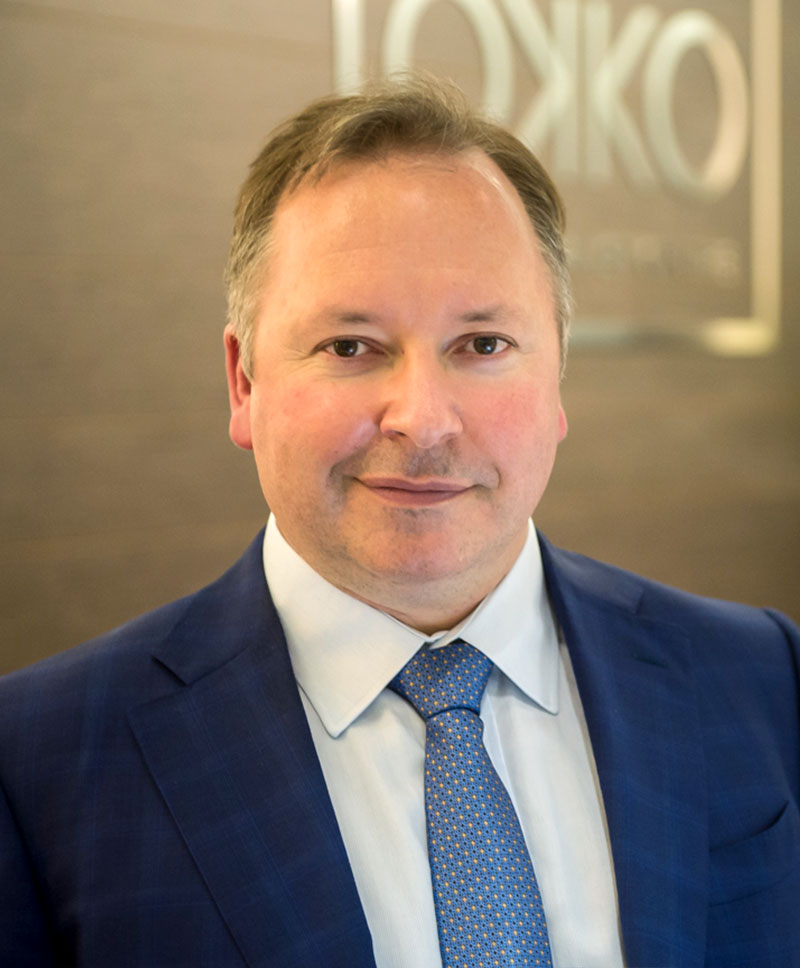
Hi, I’m Dr. Matthew Russell, a laser and cataract surgeon
HI I’M DR. MATTHEW RUSSELL A LASER EYE AND CATARACT SURGEON
With over 15 years of experience and over 20,000 procedures performed, I enjoy the privilege of helping patients of all ages reclaim clear vision or preserve it for as long as possible.
Vision correction and high-precision cataract surgery hinge on the expertise and skill set of the provider who also has access to the most precise tools for the job. Ophthalmic surgeons like me know how to make treatment safe, comfortable and positive for the patient. They know how to minimise the risk of complications and maximise successful outcomes.
I have a passion for helping my patients enjoy the clear, high-definition vision they need to live rich and active lives. Now, I have hand-picked a team of professionals that share my passion and commitment to exceptional care.
Dr. Matthew Russell
MBChB, FRANZCO