

What is the recovery time after laser eye surgery?
One of the most common questions patients ask before treatment is: “How long does laser eye surgery take to recover?”
The good news is that recovery after modern laser eye surgery is usually much faster than people expect. Many patients notice clearer vision within 24 hours, and most return to normal daily activities within just a few days. However, the full healing process continues over several weeks and months as the eyes stabilise.
Understanding what to expect after surgery can help you feel more confident and prepared for your recovery journey.
What Happens Immediately After Laser Eye Surgery?
Right after your procedure, your eyes may feel watery, slightly gritty, or irritated. Some patients describe the sensation as similar to having an eyelash trapped in the eye. It’s also common for your eyes to feel irritable or mildly uncomfortable during the first few hours.
Your vision may initially appear hazy or blurry as the eyes begin healing. You may also experience temporary light sensitivity and feel more sensitive to light, especially outdoors or around bright screens.
To help protect your eyes during this early stage, your surgeon will provide detailed aftercare instructions and prescribe medicated eye drops to reduce inflammation, prevent infection, and support healing.
Most patients go home shortly after the procedure and rest with their eyes closed for several hours.
The First Few Days of Recovery
During the first 24 to 72 hours after LASIK eye surgery, vision often improves rapidly. Many people are surprised by how quickly they can see more clearly.
However, mild symptoms such as:
- Dryness
- Watery eyes
- Glare or halos around lights
- Fluctuating vision
- Mild discomfort
are completely normal during the early stages of eye surgery recovery.
Temporary dry eyes are especially common because the procedure can affect tear production while the nerves in the cornea heal. Using lubricating eye drops regularly is an important part of recovery.
Most patients are advised to avoid rubbing their eyes, swimming, or applying eye makeup during this period.
Can You Return to Work Quickly?
For many patients, the answer is yes.
Depending on the type of procedure and your individual healing speed, most people can return to work within a few days. Office-based work is often possible within 24 to 48 hours, although it’s important to take regular screen breaks and avoid eye strain.
If your job involves dust, physical labour, or exposure to harsh environments, your surgeon may recommend taking additional recovery time.
What Happens During the First Week?
The week after surgery is when many patients experience major improvements in vision quality and comfort.
For LASIK patients, the corneal flap begins healing quickly, although it still needs protection during this period. Your surgeon may recommend wearing protective eyewear while sleeping to avoid accidental rubbing.
You should also continue avoiding activities that may irritate the eyes, including swimming, hot tubs, and environments with smoke or dust.
Most patients are advised to wear sunglasses outdoors because the eyes can remain more sensitive to light during the first week.
Recovery After Different Types of Laser Eye Surgery
The exact recovery time can vary depending on the type of vision correction procedure performed.
The LASIK procedure generally offers the fastest recovery. Many patients can drive and resume light daily activities within one or two days.
Other treatments, such as PRK or surface laser procedures, may involve a slightly longer healing period because the surface layer of the cornea requires additional time to regenerate.
Your surgeon will explain the expected recovery timeline based on your individual treatment plan.
When Can You Exercise Again?
Light walking is usually fine within a day or two after surgery, but strenuous exercise should be avoided during the early stages of healing.
Activities involving sweat, dust, or physical contact can increase the risk of irritation or complications.
Patients involved in contact sports may need to wait longer before returning to full activity, especially after procedures involving a corneal flap. Your surgeon will advise when it’s safe to resume sports and gym training.
Long-Term Healing and Vision Stabilisation
Although vision improves quickly for most patients, the full healing process continues over several months.
During this time, the eyes continue adjusting and stabilising. Some patients may notice minor fluctuations in vision, particularly at night or when tired, but these symptoms usually improve gradually.
Regular follow-up appointments are essential to monitor healing and ensure the best possible results.
For many people, laser treatment becomes a highly successful long term solution that dramatically reduces or eliminates dependence on contact lenses and glasses.
Tips for a Smooth Recovery
Following your surgeon’s instructions carefully is one of the most important parts of successful recovery.
Using prescribed eye drops, avoiding eye rubbing, protecting your eyes from bright sunlight, and attending follow-up appointments all help support healing and reduce the risk of complications.
Listening to your body and giving your eyes time to recover properly can make a significant difference to your final visual outcome.
Final Thoughts
So, how long does laser eye surgery take to recover?
Most patients recover surprisingly quickly, with noticeable improvements in vision within days and a return to normal routines soon after. However, complete healing and stabilisation can take several weeks or months depending on the procedure and the individual.
Modern laser eye surgery is designed to provide safe, effective, and long-lasting vision correction with minimal downtime. By following proper aftercare and allowing your eyes time to heal, you can maximise your results and enjoy clearer vision for years to come.
If you’re considering laser vision correction and want to learn more about recovery, booking a free assessment is the best place to start.
ARE YOU SUITABLE?
Check your laser eye surgery suitability online with our free LASIK self-test
OUR MOST POPULAR PROCEDURES

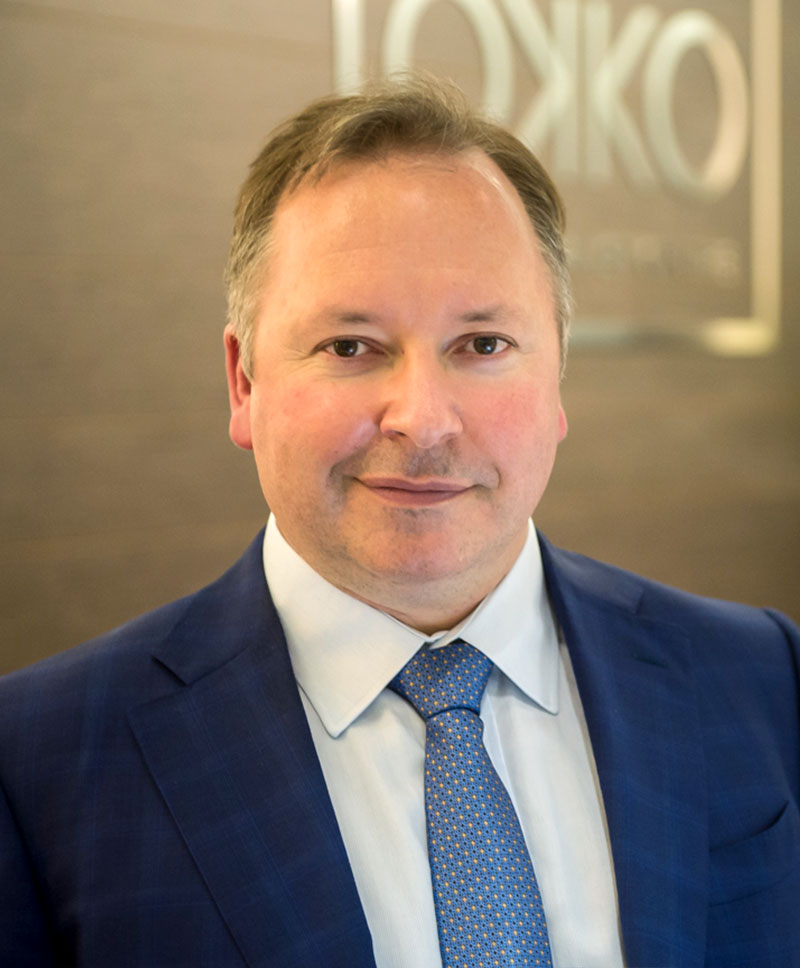
Hi, I’m Dr. Matthew Russell, a laser and cataract surgeon
HI I’M DR. MATTHEW RUSSELL A LASER EYE AND CATARACT SURGEON
With over 15 years of experience and over 20,000 procedures performed, I enjoy the privilege of helping patients of all ages reclaim clear vision or preserve it for as long as possible.
Vision correction and high-precision cataract surgery hinge on the expertise and skill set of the provider who also has access to the most precise tools for the job. Ophthalmic surgeons like me know how to make treatment safe, comfortable and positive for the patient. They know how to minimise the risk of complications and maximise successful outcomes.
I have a passion for helping my patients enjoy the clear, high-definition vision they need to live rich and active lives. Now, I have hand-picked a team of professionals that share my passion and commitment to exceptional care.
Dr. Matthew Russell
MBChB, FRANZCO