
PRK vs LASIK: What’s the difference?
In this post, we go over the differences between LASIK vs PRK
Both LASIK and PRK are excellent forms of laser eye surgery. But what is the difference in how the procedures are performed? What is the difference in recovery time? Who makes the best candidate for LASIK vs PRK? And finally, what is the difference in cost? Let’s take a look!
The PRK procedure
PRK stands for photorefractive keratectomy, and it has been around since the 1980s. This procedure is a little bit different compared to LASIK. However, both of them achieve very similar results in terms of visual acuity (i.e. the work you’re looking for – which is the clear vision at a distance and near).
Most eye surgeons in Brisbane perform PRK in the operating room where they first remove the very front surface of the cornea, called the epithelium. In most cases, surgeons use a mechanical brush that kind of polishes the surface of the eye. In other circumstances, they apply a type of alcohol solution on your vision, which breaks down the surface of the epithelium and is easily removed.
At VSON, we use TransPRK, an advanced touch-free laser eye correction method whereby a laser removes the epithelium, without the use of a mechanical brush or alcohol – which, as you can imagine is less abrasive. We prefer this method as it is touchless (no suction, no flap, no incision), safe, and gentle to the eye. Our patients get comparable results sooner to those who undergo PRK, if not better. 1Jewell, T. (2018). What’s the Difference Between PRK and LASIK?
After this, the surgeon uses an excimer laser to reshape the cornea to refract light inside the eye. This gives you good vision similar to what you’d have with glasses or contacts.
The LASIK procedure
Now let’s compare the necessary procedures of TransPRK vs LASIK (laser-assisted in-situ keratomileusis). LASIK uses a different type of operation where the surgeon slices part of the outer layer cornea to create a flap. Sorry for using the word “slice”, but we tell it how it is.
At VSON, we do things differently again and make the flap using a high-precision cool laser. We like this approach because it’s minimally invasive, super-precise, reliably consistent, and gentle. 2All About Vision. (n.d.). Bladeless LASIK: Creating a LASIK Flap With Precision.
We then lift the flap, which is “hinged” at the top, and apply the same laser that is used in PRK to sculpt the cornea. Afterward, the surgeon can lay the flap back down, and the cornea itself heals, allowing you to see immediately after the procedure.

PRK recovery
One of the biggest differences between PRK and LASIK eye surgery is the recovery time. With PRK, the surgeon removes the surface of the cornea. Immediately after the procedure, the eye can feel as though it has a corneal abrasion or a scratch. The surface of the eye, therefore, needs to re-heal before you have better vision, and the discomfort eases.
After the procedure, the surgeon puts a bandage contact lens on the eye. This bandage lens remains on the eye for about five to seven days and nights. Then, your eye doctor will remove that bandage lens. During that time, the bandage lens protects the cornea from your eyelid coming down and rubbing the eye as well as helping the healing process of the tissue.
Once it’s removed and your eye’s tissue has regrown (re-epithelialized), the vision improves. But during that initial five to seven day recovery period after PRK, vision is often pretty fuzzy. The majority of people don’t drive or go to work; they take things easy for that time period.
With PRK, even after that five to seven-day period, as the surface re-heals, the vision may not yet be quite as clear as it will be. It still takes some time for the cornea to heal fully. It’s during this period that some patients report feeling discomfort which surgeons can manage with over-the-counter or prescription pain medication.
We will give patients medicated steroid eye drops for weeks following the procedure, even up to several months. This helps to keep the cornea clear and to prevent it from hazing, and to help get the prescription to stabilise right where it needs to be.
LASIK recovery
Now let’s compare that recovery period to that of LASIK eye surgery. Because LASIK doesn’t have to remove that top layer surface of the cornea, the surgeon puts that flap back into position, and it self heals.
Because of this, almost immediately after the procedure, within the first 12 to 24 hours, vision is usually excellent, and there’s very little discomfort.
We will still prescribe medications such as antibiotic eye drops so that you don’t get an infection, and steroid eye drops to help reduce any sort of inflammation and swelling of the eye. In addition, we encourage patients to use lubricating eye drops frequently, sometimes every hour or every other hour after the procedure as dry eye is a common complication after these procedures.
Who makes the best candidate for LASIK vs PRK?
After learning about the faster recovery with LASIK, you might wonder why someone would choose PRK. While both offer excellent long-term results, there are situations where PRK may be more suitable.
One reason is corneal thickness. PRK doesn’t require a flap, so more tissue is available for reshaping. This makes it ideal for people with thin corneas. We assess this using a device called Pentacam during your clinical evaluation.
Dry eye is another consideration. LASIK can worsen dryness, especially in people already prone to it, while PRK may be better tolerated.
Lifestyle also matters. Those involved in high-impact sports or professions like martial arts or military service may face a higher risk of flap complications after LASIK. Because PRK is flap-free, it avoids this issue entirely.
Ultimately, both options are safe and effective. A personalised consultation helps determine which procedure is best for your eyes and lifestyle.

WHICH LASER EYE SURGERY IN BRISBANE TICKS YOUR BOXES?
Every type of laser eye treatment aims to achieve freedom from glasses, the only difference is eligibility and convenience
| Quality | SmartSight3https://crstodayeurope.com/articles/celebrating-the-magic-of-vision/atos-and-smartsight-current-trends-and-procedural-volume/ | LASIK4https://crstoday.com/articles/2014-jan/enhancing-the-speed-of-visual-recovery-after-lasik | TransPRK5https://www.eye-tech-solutions.com/transprk#:~:text=Unlike%20with%20conventional%20methods%20like,and%20gentle%20to%20the%20eye | PRK6https://www.allaboutvision.com/visionsurgery/prk/ |
|---|---|---|---|---|
| Recovery time | Fastest (1 day) | Fast (1 day) | Less fast (3-4 days) | Least fast (5-7 days) |
| Eligibility |
|
|
|
|
| Cost | Find out here | Find out here | Find out here | Find out here |
| Procedure | All laser treatment without a flap | All laser treatment | All laser treatment – no touch | Mainly laser treatment |
| Advantage |
|
|
|
|
| History | Surgeons first performed lenticule extraction in 200710https://eandv.biomedcentral.com/articles/10.1186/s40662-014-0003-1 | First performed 1991 | First performed 2007 | First performed 1987 |
| Learn more |
The cost of LASIK vs PRK?
Another frequent question that people are interested in when discussing LASIK and PRK is how much they cost. The answer can vary depending on the clinic and surgeon.
In general, here in Australia, the price for both procedures is similar. You can expect to pay between $2,500 and $3,000 per eye for advanced technology and an experienced surgeon.
What’s more important than the price is making sure the clinic is clear and upfront about costs. Some practices offer financing options, like $0 deposit and 0% interest for 24 months, which can make the procedure more manageable.
When you compare the cost to years of wearing glasses or contact lenses, laser vision correction often pays for itself over time. If you know you’ll need vision correction over the next decade, it may be worth investing in long-term freedom from glasses.
Both LASIK and PRK have excellent results. Book your free laser vision assessment on our website today and we can discover which procedure is best for you.
Found this post useful? Please share!
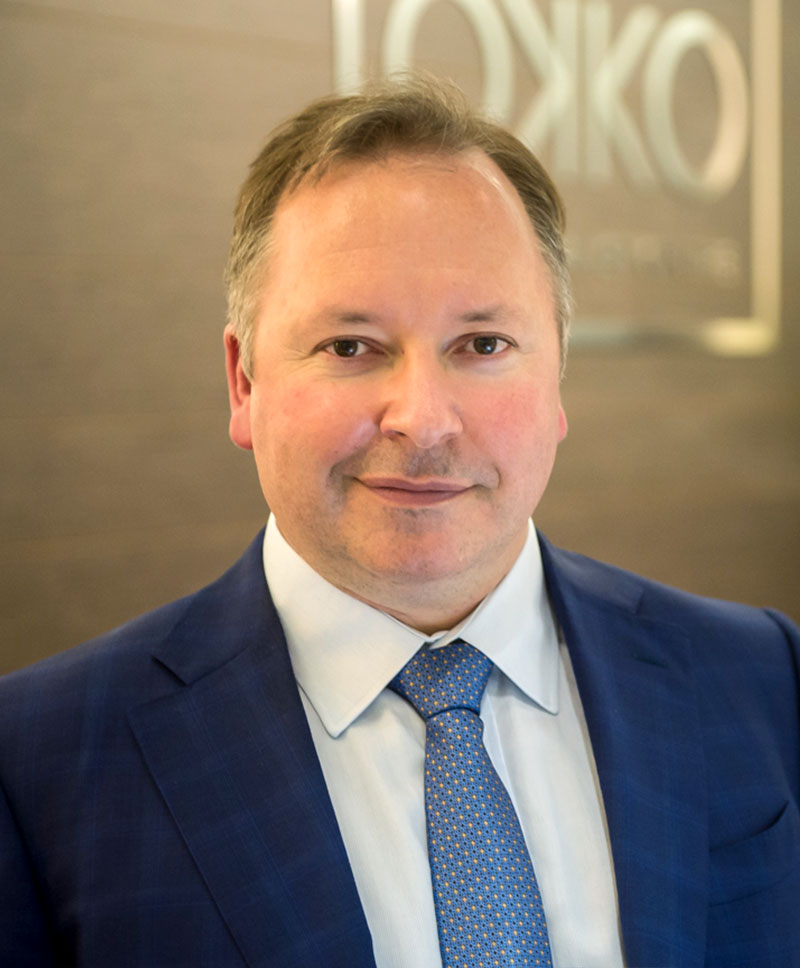
Hi, I’m Dr. Matthew Russell, a laser and cataract surgeon
HI I’M DR. MATTHEW RUSSELL A LASER EYE AND CATARACT SURGEON
With over 15 years of experience and over 20,000 procedures performed, I enjoy the privilege of helping patients of all ages reclaim clear vision or preserve it for as long as possible.
Vision correction and high-precision cataract surgery hinge on the expertise and skill set of the provider who also has access to the most precise tools for the job. Ophthalmic surgeons like me know how to make treatment safe, comfortable and positive for the patient. They know how to minimise the risk of complications and maximise successful outcomes.
I have a passion for helping my patients enjoy the clear, high-definition vision they need to live rich and active lives. Now, I have hand-picked a team of professionals that share my passion and commitment to exceptional care.
Dr. Matthew Russell
MBChB, FRANZCO